Global Leader Tips

Coaching Space

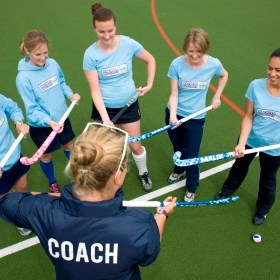
Building up the collaborative relationship between leader, manager and member, subordinate, the mood of the conversational space is critically important for them. In co-active coaching, coaching space has to be two critical characteristics as an effective coaching environment. One is safe enough for coachee to take risks they need to take. And the another one is a courageous place where coachees are able to approach their lives and the choice they make with motivation, creativity and commitment. And additionally, safe does not mean comfortable. Sometimes they need straight and severe conversations to find out the way that coachee really desiring.
To make the safe and courageous space for the positive and constructive conversations, the several characteristics are essential for them. One is confidentiality. Confidentiality means that the coach must not disclose any information he has known in the coaching conversations at all without coachee’s agreement. Especially the conversation in the business organization or team, this is critically important for the safe feeling to address real, frank but exciting subjects, sometime including quite personal factors. Second one is trust. An agreement to hold the coaching conversation confidential is one key component in building trust. Trust is also built over time as both coachee and coach learn they can be counted on and the coachee learns that the relationship delivers clear result. Third one is speaking the truth. Building up the real environment where the coachee can tell the whole truth about what they have done, and not done, the coaching space should be without evaluation and judgement. Because the truth carries no consequence other than learning, discovery and new insight to them. Then, fourth one is openness and spaciousness. This is a space where coachees can breathe, experiment, fantasize and strategize without imitation. It is also a place which they can vent their anger, troubles, spite, fear and regrets.
Based on these elements of the relationship between coach and coachee, it is quite important for them intentionally and consciously design their working relationship. In addition to this, they need redesign their relationship continuously, when their relationship is going to need any new elements for their deeper and more credible one.
For leaders, managers and supervisors, the “design” of the working relationship will not be structured, but the essence of the coaching space above is quite referential. It is certainly not doing coaching on team members or direct reports. The context for coaching in an informal organization or leadership situation is a commitment to support and development. This commitment to personal development is the essence of the business case for coaching as a leadership and management competency.


Global Leader Tips

Coaching Relationship

The relationship in the co-active coaching provides the great and essential hint to build up the collaborative relationship in the business. Although there will be significant differences in each situation, all coaching focuses on the context of intentional relationship. The professional coach starts with the deep understanding of the coachee, the person being coached, who is in the unique life and work situation, with unique goals and desire for change, unique abilities, unique interests and even unique habits of sabotage. Then he is able to have the series of conversation with pure curiosity, about the theme that the coachee addressing, like life style shift, career change, leadership, performance improvement, health and well being issues. Through these conversations, there is no common guidelines, blueprints or templates. Coaching is inherently dynamic and personal that creates a unique, empowered relationship for desiring change.
Especially in co-active coaching, the peer relationship is emphasized. Coach and coachee have equal, though different, roles. They are co-active in the relationship, so they are collaborators, working together for the benefit of the coachee. In this peer relationship, the mentality of the coach must make the shift from “I’m powerful” to “the coaching relationship is powerful”, then all the power of the relationship between coach and coachee will make a maximum contribution only for the ultimate transformation that coachee desiring. The essence of these co-active relationship is sure to be the great reference or hint when they implement the collaborative relationship in to the business, like conversations between leader, manager and member, subordinate. 

Global Leader Tips

Coaching in the Business

Taking the Co-Active like collaborative communication in to the business, coaching method may be one of the simple first step. Although the co-active coaching model has a lot of components and tools totally, several parts can utilize in the real business situation as easy and practical implementation. Shifting from the traditional top to down business protocol to the collaborative one, starting to believe the capabilities of the member is essential. Empowering the member means to believe the member’s potential capabilities, then to find them out creatively and effectively. So, the coaching method can utilize as powerful, helpful hints and tips.

In the coaching type relationship, the being of the coach or leader has to be quite important. They must be present: respect, openness, compassion, empathy, and a sincere commitment to speaking the truth. They assume strength and capability, not weakness, helplessness, or dependence. They assume a deep desire to give the best and pursue potential. The most critical belief for the coach or leader is that every situation has possibilities and that people really do have the power of choice. It shifts the conversation from simply analyzing and problem solving to working together more effectively and learning to be more resourceful so that future issues are actually easier to address because the relationship is resilient and creative.

Global Leader Tips

Co-Active way in the Business


In the unprecedented paradigm shift, leadership or management style had to be changed from legacy top to down to a new cooperation with the partnership.
Co-Active is a kind of coined word developed and promoted by CTI: Co-Active Training Institute in US, as a coaching method over the 20 years. In the long and global implementation of the model, Co-Active has been not only for coaching method, but also has been utilized as a co-active based conversations, relationship, leadership or partnership. They all look through the lens of the co-active way. Then the co-active way is a way of effectively empowering people to find their own answers, encouraging and supporting them on the path as they continue to make important choices collaboratively.
Let’s imagine the typical example in the mission-critical project situation. The team leader has many ways to have the conversation. One way is a kind of the traditional one. Asking for a report, analyze the situation, and then provide work direction. Then here’s a different way, a way that is more co-active, collaborative. For the team leader it involves empowering the team member who may be much closer to the actual issues, possibly brainstorming alternative action steps and agreeing on a course of action. In this way the nature of relationship shifts, the context for the conversation is more inclusive and more empowering. It is a kind of invitation to see there is a choice and each has a different impact. There is a wider range of leadership responses available. In this fast-paced world of work, the pressure is on to create more engaged, more proactive, and more empowered members. Waiting for a higher authority or escalating decision making impedes teams that need the agility to respond to chaotic and complex situation. Creating and supporting a co-active way of working together delivers on the imperative and creates a culture of resilience and resourcefulness.

Global Leader Tips

Empowered Leadership


In the traditional pyramided organization, the typical leadership used to be depended to the top to down oriented one-way communication, like a legacy leadership. It could be very fast and strict control for the simple business execution.
However, the business environment has been drastically changed. The business requires the faster, flatten, borderless and flexible operations based on the extraordinary evolved IT and Network environment. In addition to this, the critical success factor of the business also has been dramatically changing in the continuous paradigm shift. Then the leadership style has to be changed boldly and adaptively as well as the way of communications in the organization and the virtual team in the various networks. Moreover, in the diversified team, the leadership style with the tolerant communication has to be critically related with the team performance.
The empowerment of the leader can reveal the talent more of each member, can be respected each other, then maximize the creativity and the synergy of the diversified values. In the empowered team, there’s no control, no restriction, no precedent, no formula. There’s free, flexible, creative and future oriented energy and harmony. The essential role of the leader there, is just orchestrate the team same as a conductor in the orchestra. 

Global Leader Tips

Cultural Skill

For the effective management of the diversified global team, Cultural Skill is one of the crucial capabilities that the global leaders have to provide. Cultural Skill is a kind of capability that utilizes the culture actively. Cultural Skill is made up of four components, cultural due diligence, style switching, cultural dialogue and cultural mentoring. Cultural due diligence is the series of the understanding processes of the cultural tendency and characteristics of himself and his partners or colleagues. To understand distinction of himself and others is critically fundamental for making the strategy how to manage the cultural gap in the series of conversations and deepening the relationships. Style switching is one of the effective skills that can minimize the cultural gaps then making the closer and deeper relationship beyond the different styles in their cultures. Cultural Dialogue is a kind of the tactical preparations for the smoother and less stressful conversations between the people with different cultural backgrounds. Then, Cultural Mentoring is getting the sound and valid suggestions how to handle the practical situation with the cultural differences. As a wise cultural mentee, we should find someone who deeply understands the cultural difference and has some series of experiences in the real field with diversity. Anyway, Cultural Skill is the critically essential for the global leaders from now on.